Crown Lengthening for Gum Reshaping & Restoration
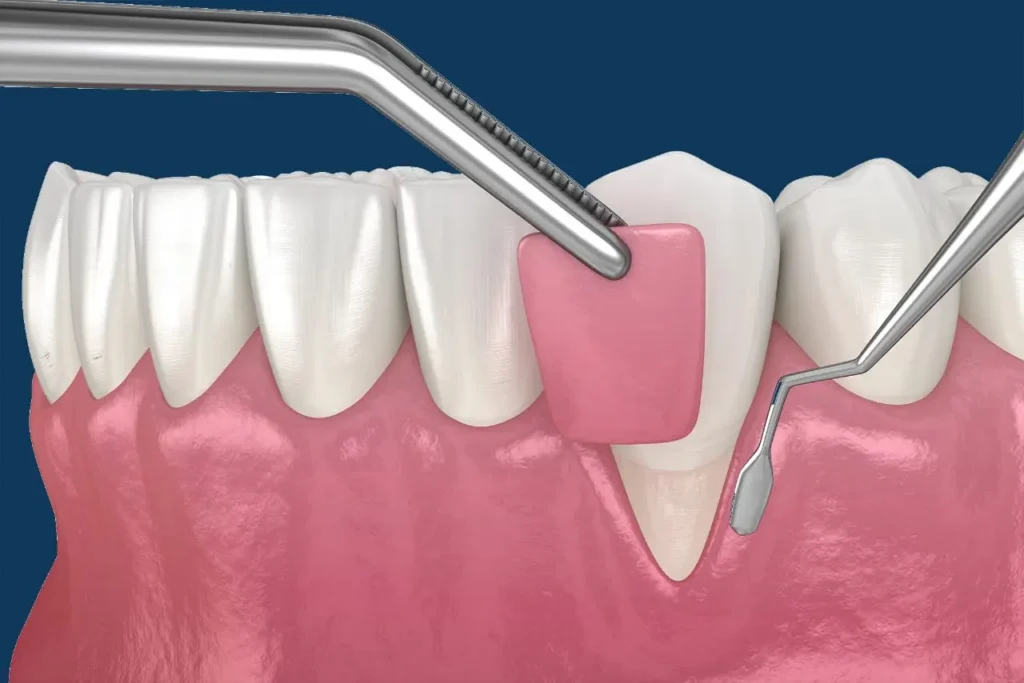
Crown lengthening is a dental procedure used to reshape the gum and bone to expose more of the natural tooth.
It is often done to improve the appearance of a “gummy smile” or to prepare a tooth for a crown or restoration.
The procedure creates a balanced gum line and allows better access to the tooth structure.
It also helps improve oral hygiene by making teeth easier to clean.
With proper care, crown lengthening provides long-lasting functional and aesthetic benefits.
What's Crown Lengthening?
Crown dragging is a minor periodontal surgical procedure that removes or reshapes redundant goo towel — and occasionally bone — to expose further of a tooth’s face.
This procedure is generally performed in the field of Periodontology, which focuses on the health of epoxies and supporting structures of teeth.
There are two main purposes
Functional( Restorative) Purpose
To expose more tooth structure for placing crowns, islands, or paddings
To insure restorations fit duly and last longer
Cosmetic Purpose
To ameliorate the appearance of a “ sticky smile ”
To produce a more balanced goo– to- tooth rate
Crown dragging is frequently considered a part of Oral Surgery and Cosmetic Dentistry, depending on the case complexity.
Why You May Need Crown Lengthening?
1. sticky Smile Appearance
still, your smile may look uneven or exorbitantly “ sticky, If redundant goo towel covers too important of your teeth. ” Crown dragging reshapes the goo line for a more natural appearance.
2. Short or Uneven Teeth
Some people naturally have teeth that appear shorter due to goo content rather than factual tooth size.
3. Tooth Decay Below the Gum Line
When decay or damage extends below the goo position, crown stretching allows better access for treatment and restoration.
4. Goo and Bone Issues from Periodontal Disease
Advanced Periodontal Disease can beget goo irregularities and bone loss, making surgical correction necessary.
Benefits of Crown Lengthening
Crown dragging offers both functional and ornamental advantages
Enhances smile aesthetics by correcting sticky smiles
Improves the success rate of dental crowns and restorations
Helps maintain long- term goo health
Reduces threat of bacterial buildup under goo towel
Restores proper tooth proportion and alignment
Supports advanced Dental Implantology procedures if demanded
Cases frequently notice a dramatic enhancement in both confidence and oral function after treatment.

Crown Lengthening Procedure
Step 1 Consultation and Digital Evaluation
A detailed examination is performed, includingX-rays or digital imaging, to assess goo and bone situations.
Step 2 Periodontal Assessment
The periodontist evaluates goo health, bone support, and tooth structure. This ensures the treatment plan is accurate and safe.
Step 3 Original Anesthesia
The area is benumbed to insure a comfortable, pain–free procedure.
Step 4 Goo Towel Reshaping
redundant goo towel is precisely removed or reshaped to expose further of the tooth.
Step 5 Bone Recontouring( If needed)
In some cases, small adaptations to the underpinning bone are made to maintain proper tooth support and goo stability.
Step 6 Suturing and Protection
The area is gutted and stitched to promote proper mending.
Step 7 Healing and Follow– Up
Healing is covered over several weeks before restorative procedures like crowns are placed.
Why Choose a Periodontist in Oakville?
Choosing a specialized Periodontist ensures that your gums and supporting bone structures are treated with advanced expertise.
Benefits of choosing a specialist:
Advanced training in gum surgery
Precision-based treatment planning
Expertise in complex periodontal cases
Integration with Dental Implantology and restorative care
Focus on long-term gum health
Serving patients in Oakville, Ontario, Canada, periodontal specialists provide both cosmetic and functional solutions for healthier smiles.

Safety, Precision & Advanced Technology
Crown lengthening is a highly predictable and safe procedure when performed by a trained periodontist.
Modern clinics use advanced technology such as:
Computer-Guided Implant Surgery tools for planning
3D Printing in Dentistry for precise models
Minimally Invasive Surgery techniques for faster recovery
Microsurgery instruments for accuracy
Surgical Microscopes for enhanced visibility
These technologies improve precision, reduce discomfort, and enhance long-term outcomes.


Transform Your Smile with Precision Care
Every smile is unique, but excess gum tissue or short-looking teeth can affect overall appearance and confidence. Crown lengthening is a safe and effective procedure designed to reshape the gum line and expose more of your natural tooth structure. Whether for cosmetic improvement or restorative needs, this treatment helps create a more proportionate, attractive smile.
Types of Crown Lengthening
Cosmetic Crown Lengthening
Used to ameliorate smile aesthetics and correct uneven goo lines.
Restorative Crown Lengthening
Performed to expose tooth structure before placing crowns or islands.
Pre-Prosthetic Crown Lengthening
Prepares the mouth for advanced dental restorations similar as implants or full– mouth recuperation.
This stage is nearly connected to Preprosthetic Surgery in dental treatment planning.

Understanding Crown Lengthening
Crown lengthening is a specialized dental procedure that reshapes the gum line to expose more of the natural tooth structure. By carefully removing excess gum tissue—and sometimes adjusting the underlying bone—this treatment creates a more balanced, natural-looking smile.
It is often performed to improve aesthetics by correcting uneven gums or reducing the appearance of a gummy smile. In addition, crown lengthening can be necessary for restorative purposes, such as exposing more of a tooth affected by decay, damage, or fracture, allowing for proper placement of a dental crown or filling.
Understanding a Gummy Smile
A gummy smile, or excessive gingival display, refers to a condition where a larger-than-normal amount of gum tissue is visible when smiling. While it does not pose a medical risk, it can affect the overall aesthetics of your smile and confidence.
This condition may occur due to the natural way teeth erupt during development. In some individuals, the gums cover more of the tooth surface than usual, making the teeth appear smaller or shorter. This is often referred to as altered passive eruption.
Before and After Gallery


Frequently Asked Questions?
How painful is a crown lengthening procedure?
You’ll receive local anesthesia during the procedure, so you shouldn’t feel pain. Afterward, some discomfort or soreness is normal, but over-the-counter pain relievers can help.
How long does crown lengthening heal?
The healing process following crown lengthening takes around two months in total and must be completed before the tooth or bridge abutment teeth are impressed and sent to the lab for fabrication of the crown or bridge.
Can I eat after crown lengthening?
Please follow a soft food diet, taking care to avoid the surgical area(s) when chewing. Chew on the opposite side and do NOT bite into food if the procedure was done in the front of the mouth. Avoid sticky, hard (such as ice cubes, nuts, popcorn, chips), brittle, spicy, highly seasoned, or acidic foods in your diet.